






Winter has a way of sneaking up on your energy bill. The days get shorter, the thermostat creeps higher, and before you know it, your monthly statement looks nothing like it did in March. The good news: most of the biggest winter energy drains are also the easiest to fix. Here’s the Emerald guide to staying warm without watching your savings disappear.
Tip #1: Fix the temperature, not the extremes
Every degree matters more than you’d think. Turning your heating down by just one or two degrees in winter (or your cooling up by the same in summer) can meaningfully reduce your energy use without you noticing much difference in comfort. It costs nothing, just a quick adjustment to your thermostat.
Tip #2: Wash smarter, not harder
Washing clothes in cold water instead of hot can cut the energy used per load dramatically, since heating the water is where most of a washing machine’s energy goes. Pair that with only running the machine and dishwasher with full loads, and you’ll get more use out of every cycle you run.
Tip #3: Air dry when you can
Clothes dryers are one of the biggest energy users in an average home. Air-drying on a rack or line, even just for a portion of your laundry, is completely free and can make a real dent in your bill, especially if you’re currently drying every load.
Tip #4: Unplug your appliances
Many appliances and chargers draw a small amount of power even when switched off, simply by staying plugged in: things like phone chargers, game consoles, and entertainment systems. Individually it’s a trickle, but across a whole house of devices left plugged in around the clock, it adds up. Switching off power boards at the wall when you head to bed or leave the house is a free habit that pays off continuously.
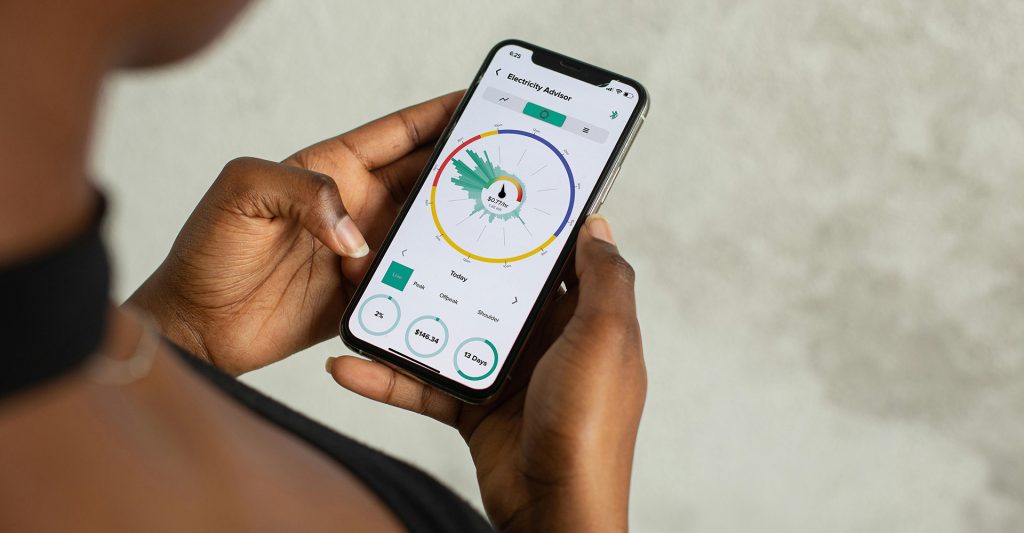
Tip #5 : Time your usage
Many electricity plans charge more during peak hours, typically in the early evening. Where possible, shift energy-heavy tasks like laundry, dishwashing, or charging an electric vehicle to off-peak periods. It doesn’t reduce how much energy you use, but it can meaningfully reduce what you pay for it, at no cost beyond a bit of planning.
Tip #6 Solar panels are more efficient in the cold
The easiest way to find out is with a free eligibility assessment.
Our Emerald Programs team can confirm if your current heating system qualifies under the VEU program, explain the rebates available to you, and recommend the best reverse cycle split system for your home.
The bigger picture
None of these tips require a tradesperson, a big purchase, or weeks of planning. Most can be done in a single weekend, and several cost nothing beyond a change in habit. The savings from any one of them might seem small on its own, but stacked together across a whole season, they add up to a noticeably smaller bill — without any of the upfront cost of bigger upgrades.
If you’ve already got the basics covered and you’re looking at bigger changes down the track, our guide to winter energy saving with heat pumps, solar, and smart tech is a good next stop. But if you’re after wins you can start today, this list is the place to begin.
Still want to up your energy saving game?
The tips above cost next to nothing and can be done this week. But if you’re ready to go a step further, here are two upgrades that deliver a much bigger, longer-term impact, and they’re not as expensive as most people assume.
Switch to a reverse cycle air conditioner
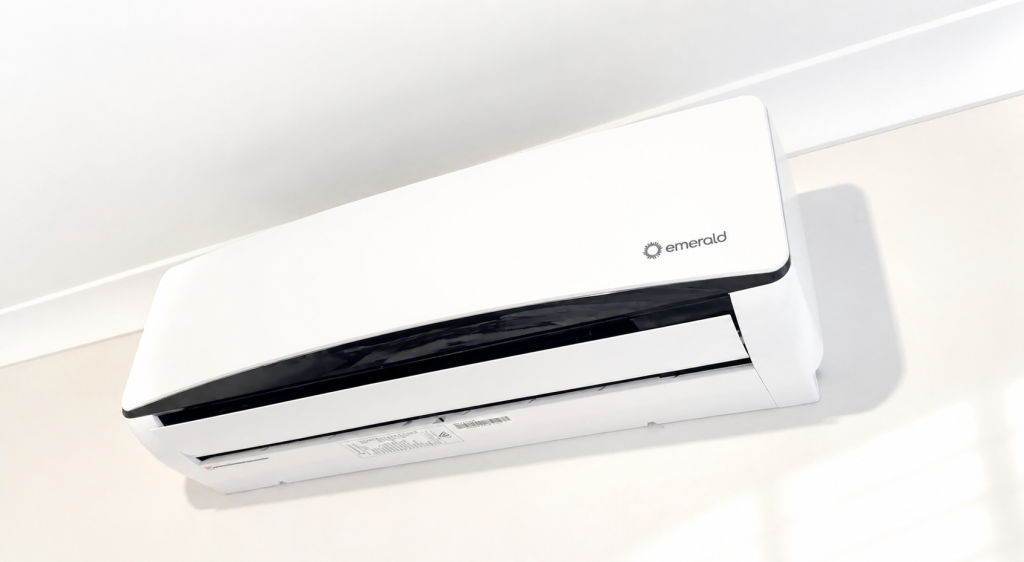
If you’re still heating your home with a gas heater or older-style electric heater, switching to a reverse-cycle air conditioning system is one of the most effective upgrades you can make. Reverse-cycle systems don’t generate heat the way a gas heater does, they move heat from the outside air into your home, which makes them dramatically more efficient. For every unit of energy they use, they can produce several units of heat, meaning lower running costs season after season.
The upfront cost puts a lot of people off, but government rebates and Emerald Program benefits in Victoria have brought installation prices down significantly, and the running cost savings compared to gas typically start adding up from the first winter. Combine it with the temperature and zoning tips above, and a reverse-cycle system can end up cheaper to run than the gas heater it replaces, while also giving you cooling for summer, effectively doing the job of two appliances in one.

Switch to a hot water heat pump
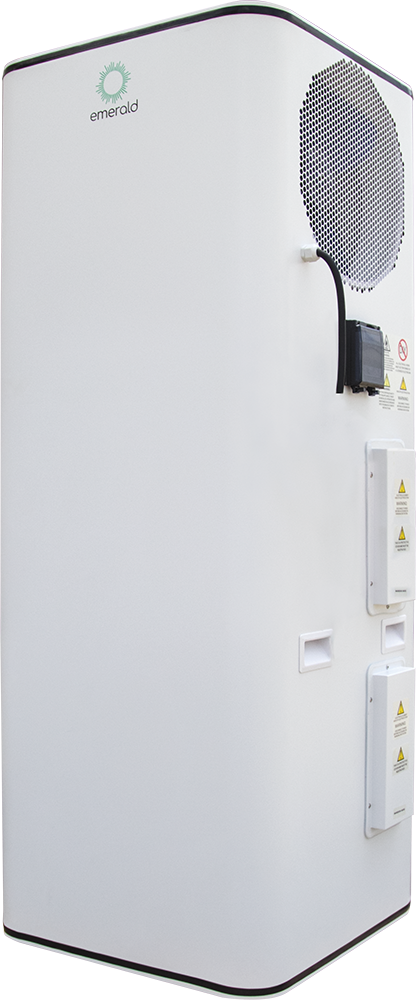
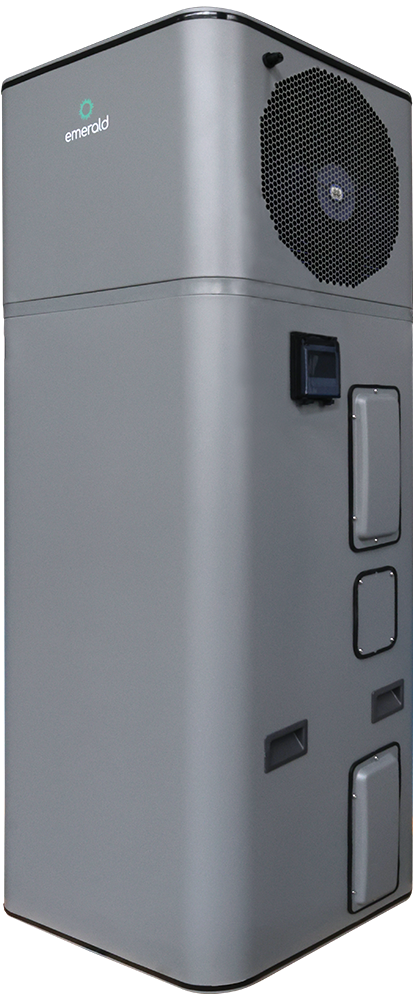
Hot water heating is quietly one of the biggest energy costs in an average home, and if you’re still running an electric resistance or gas hot water system, a hot water heat pump is worth serious consideration. Like reverse-cycle aircon, these systems don’t generate heat directly, they extract it from the surrounding air, using a fraction of the energy that a traditional system needs to heat the same amount of water.
Again, the sticker price tends to scare people off before they look at the full picture. Rebates and incentives are widely available, and many households find the system pays for itself within a few years through lower running costs, especially when paired with solar. Once installed, it’s a genuine “set and forget” upgrade, no more watching your hot water system quietly rack up costs in the background.
Small habits and smart upgrades don’t have to be mutually exclusive. Start with the easy, no-cost changes above, and when you’re ready, these two upgrades can take your winter energy savings even further.